
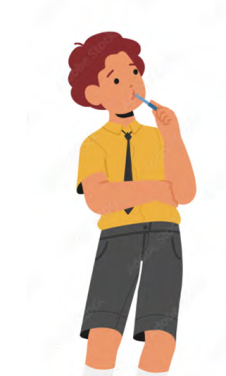
All about rules!
Description
Rules are an integral part of society. From a young age, children are exposed to a number of rules that govern their daily lives, which can lead them to ask questions.
Throughout the activity, students explore everyday situations in which rules apply (at home, in the classroom or on the street). Along with their teacher, students discover what rules are, who makes them and why certain rules differ from one location to another.
Next, students compare these rules, discuss their usefulness, and think about what would happen if they didn’t exist.
At the end of the activity, students work together to determine the classroom rules and to participate actively in setting rules that are shared, clear and easy to follow.
Educational objectives
-
Raise the students’ awareness of rules and the law in their daily lives.
-
Help students understand that rules may vary depending on where they are and the people who make them.
-
Understand that certain rules exist to protects our rights and keep everyone safe.
-
Distinguish between rules, responsibilities, restrictions and rights.
-
Determine classroom rules democratically to help ensure students follow them.
Subjects and subject-specific competencies
Culture and Citizenship in Québec - Elementary Cycle One
Cultural realities: Relationships between people - Relationships between individuals.
Compulsory cocepts: Roles and responsibilities in the family and at school.
- Competency in Cycle One: Explores cultural realities:
- Engages in dialogue:
- Puts into place conditions conducive to interaction.
- Supports own ideas.
- Inquires about the ideas of others.
- Engages in dialogue:
English, Language Arts
-
Competency 4: To use language to communicate and learn.
Social Sciences
-
Competency: To construct his/her representation of space, time and society
Related content
- This article, a collaboration between Éducaloi and Alloprof Parents, explains how to introduce rules to children.
This website is made possible thanks to funding from:
 |
 |
Partner-Members


Éducaloi also receives support from:

